
Overview
Have you ever received a message from customer service asking, “Would you like to reinforce your package?” when shipping a large or bulky item?
If you’re unsure what parcel reinforcement means or whether it’s worth the extra cost, this guide breaks down everything you need to know — including why reinforcement matters and four proven methods to protect your shipment from damage.
What Is Parcel Reinforcement?
Parcel reinforcement is the process of adding extra protective layers to a package to minimize the risk of damage during transportation. Whether your shipment travels by air, sea, or ground, packages are handled multiple times, exposed to varying conditions, and stacked with other cargo. Reinforcement acts as a buffer against these physical stresses.
Without proper reinforcement, large parcels are especially vulnerable because their size and weight make them harder to handle carefully and more likely to be dropped, crushed, or exposed to moisture.
Why Reinforcement Is Essential for Large Parcels
Skipping reinforcement might save a few dollars upfront, but it significantly increases the risk of:
| Risk | Consequences |
|---|---|
| Package Deformation | Box collapses under weight or pressure, damaging contents |
| Physical Damage | Items crack, break, or get crushed during transit |
| Water Damage | Rain, humidity, or spills ruin goods inside |
| Costly Returns | You bear the loss if goods arrive damaged and uninsured |
For cross-border shipping and freight forwarding, where packages endure longer transit times and more handling points, reinforcement isn’t optional — it’s essential protection.
4 Proven Methods to Reinforce Large Parcels
Here are the most effective ways shipping professionals add protective layers to large parcels:
1. Add Bubble Wrap (Internal Cushioning)
Bubble wrap is the first line of defense for fragile or delicate items inside the box.
- Pro tip: Wrap individual items separately and fill empty spaces in the box to prevent movement
- What it does: Absorbs shock and prevents contents from shifting or colliding during transit
- Best for: Electronics, glassware, ceramics, and any item prone to cracking or scratching

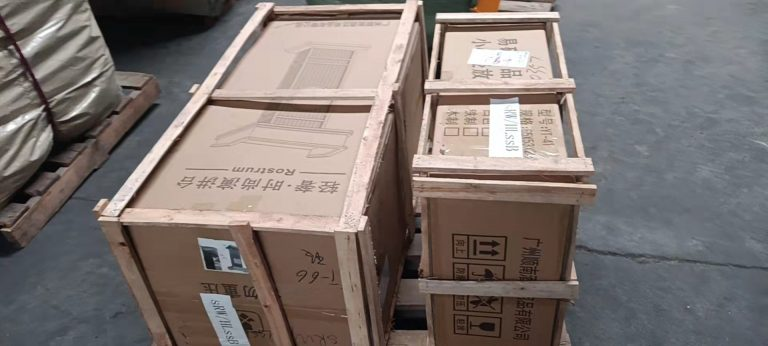
2. Add Wooden Shelving or Crating (External Structural Support)
For heavy, oversized, or high-value shipments, adding a wooden frame or crate around the parcel provides rigid structural protection.
- Pro tip: Ensure the wooden frame is securely fastened and doesn’t add excessive weight that increases shipping costs
- What it does: Prevents box collapse, protects corners from impact, and distributes weight evenly
- Best for: Furniture, machinery, artwork, and industrial equipment
3. Add Fragile Labels (Handling Instructions)
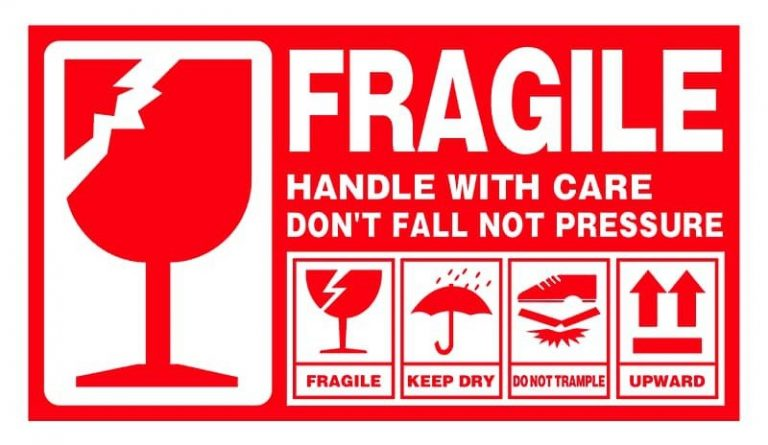
Fragile labels are a simple but highly effective communication tool.
- What it does: Alerts handlers — from warehouse staff to delivery drivers — that the package requires careful handling
- Best for: Any parcel containing breakable, sensitive, or high-value items
- Pro tip: Place labels on multiple sides of the package so they’re visible regardless of how the box is oriented
4. Add Waterproof Sack or Cover (Moisture Barrier)
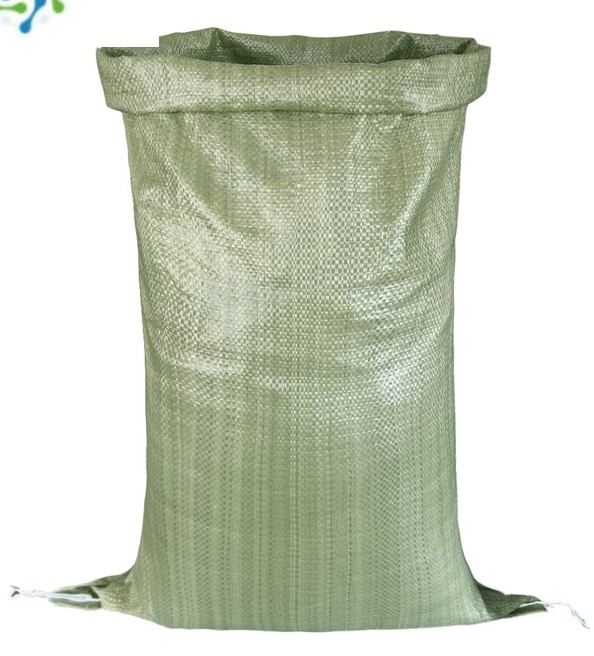
A waterproof sack or protective cover shields your parcel from rain, humidity, and accidental spills.
- What it does: Creates a moisture barrier that prevents water ingress, especially critical for sea freight or outdoor storage
- Best for: Textiles, paper products, electronics, and any moisture-sensitive goods
- Pro tip: Use heavy-duty plastic sacks and seal openings with waterproof tape for maximum protection
When Should You Always Reinforce?
Consider reinforcement mandatory if your parcel meets any of these criteria:
- ✅ Weight exceeds 20kg — heavier parcels are harder to handle gently
- ✅ Contains fragile items — glass, ceramics, electronics, or precision instruments
- ✅ Long-distance or international shipping — more handling points = higher risk
- ✅ High-value contents — the cost of reinforcement is minimal compared to replacement costs
- ✅ Monsoon season or humid climates — moisture protection becomes critical
The Bottom Line: Is Parcel Reinforcement Worth It?
Absolutely. Parcel reinforcement is a small upfront investment that prevents significant losses from damaged goods, customer complaints, and return shipping costs. For businesses shipping products to customers, it also protects your brand reputation and reduces negative reviews.
When your shipping agent or freight forwarder offers reinforcement services, they’re not upselling — they’re risk-managing your shipment.